
Cuerpo Intervención Algoritmo
Body, Intervention, Algorithm is a choreographic work constructed as a system in motion. The performers do not represent characters; they function as bodily devices that receive signals, replicate patterns, and undergo a progressive decomposition of the order that governs them.
The piece is structured around a physical transition from unconscious programming to the emergence of an internal failure, its expansion, and the final collapse of the system. The body is activated, organized in collective algorithms, and subsequently subjected to a rupture that alters the initial obedience.
The dance is articulated through changes of state: activation, replication, failure, collapse, and residue.
Music: Arturo O‘Farrill
Caleidoscopio
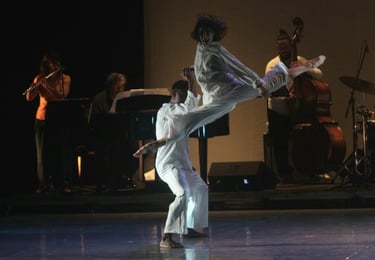
The scene is organized like a large, living kaleidoscope. Eleven spatial points function as rotation cores, and the bodies move between them, generating changing combinations, like fragments of light that never repeat. The dance does not obey a closed system: it expands, mutates, breathes. The viewer is led into an emotional state of relief, comfort, and vitality—a smile that arises from exhaustion and the daily struggle, not from lightness.
Music: Arturo O’Farrill
COLBA
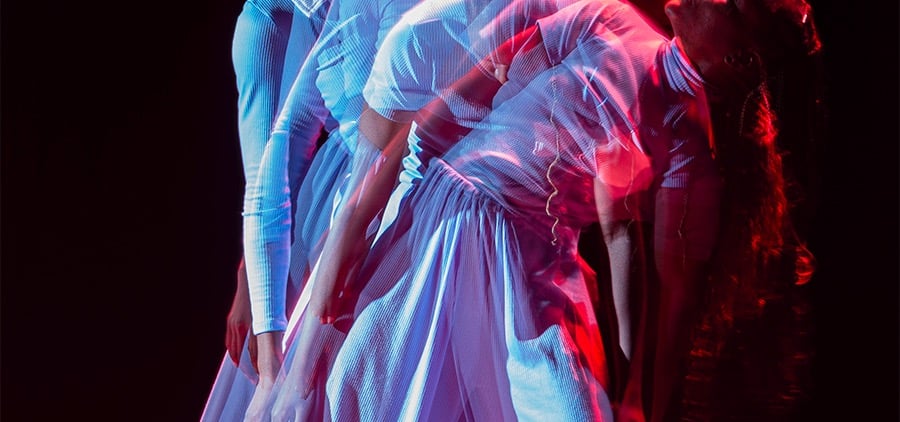
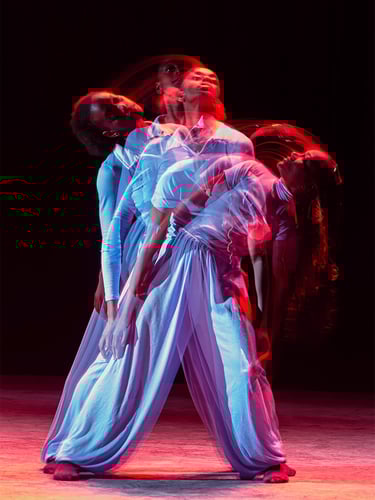
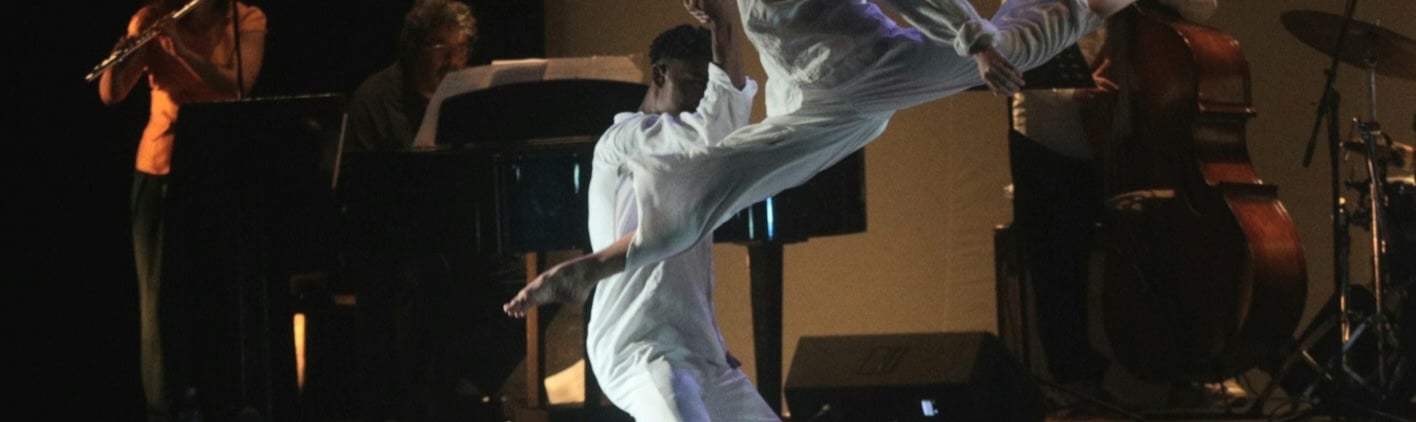
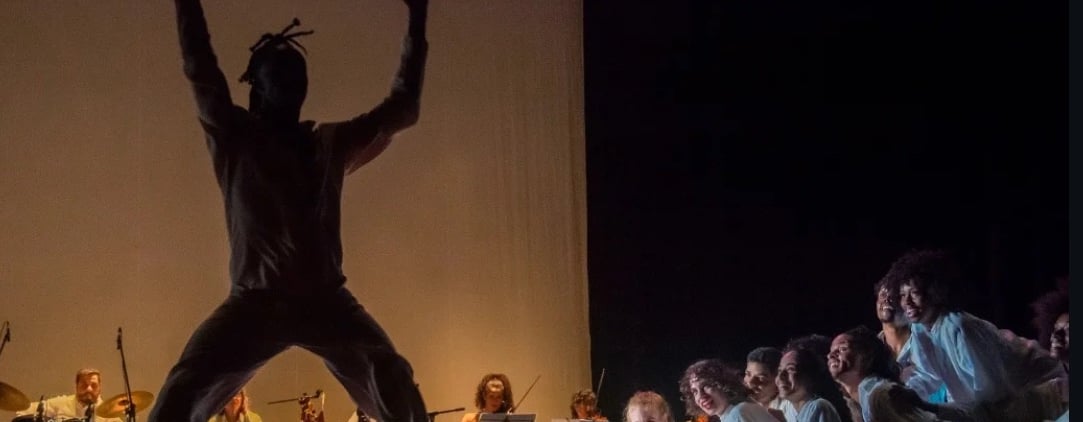
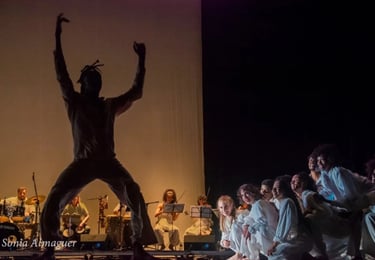
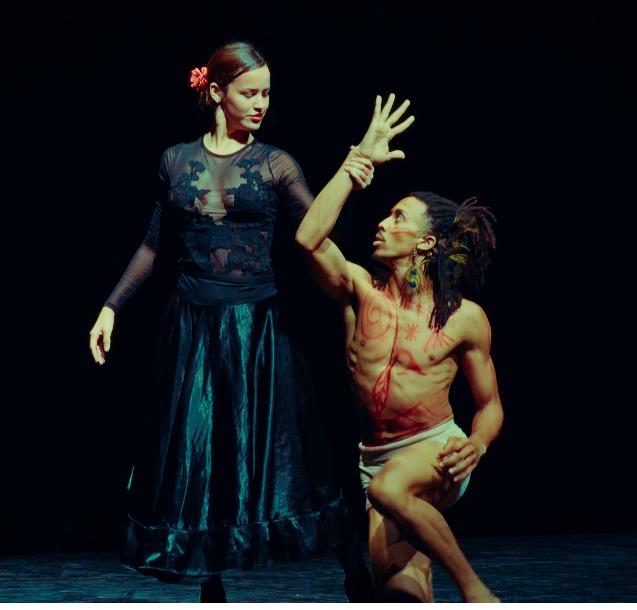
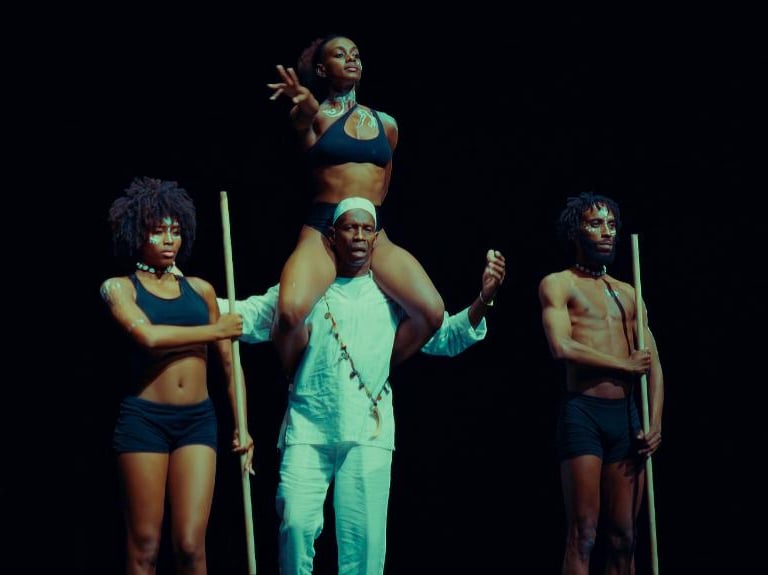
COLBA is one of the most ambitious works currently in development under the artistic direction and choreography of Liliet Orozco. This multidisciplinary performance explores the layered complexities of Cuban identity during the colonial era, examining themes of transculturation, racial hierarchies, and the resilience of the body under systems of domination.
Through a powerful blend of dance, music, and visual storytelling, COLBA reconstructs Cuban history by highlighting the tension between oppression and resistance. The work investigates how cultural mestizaje has operated as both an imposed structure and a form of symbolic resistance. The narrative unfolds through three symbolic figures:
The Arawak Leader – Embodies indigenous memory and a sacred connection to land and nature. Their ritualistic, circular movements reflect harmony with the territory.
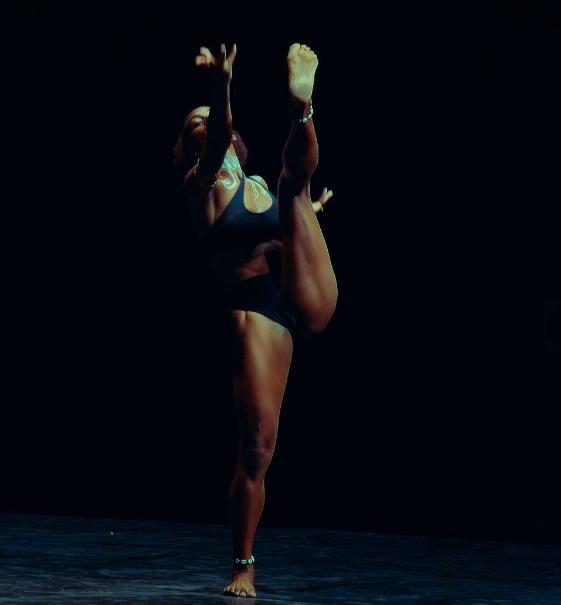
The African Warrior Woman – Channels the spiritual strength and cultural resistance of the enslaved. Her choreography incorporates Afro-Cuban dance traditions like Congo and Palo Monte, grounded in forceful footwork and ritual gestures.
The Spanish Woman – Represents Eurocentric imposition. Her dance, influenced by the formality of European courts, begins with rigidity but fractures as she collides with other cultural expressions on stage.
The soundtrack, produced in collaboration with the National Folkloric Choir of Cuba, Manuel Pérez, and Ángel Terry, deepens the immersive experience, connecting contemporary choreography with Cuba’s living musical traditions.
COLBA does not follow a linear plot. Instead, it uses stereotypical archetypes as theatrical tools—presenting recognizable identities that gradually unravel, revealing the contradictions and hybridities at the core of Cuban cultural identity.
No somos, pero bailamos
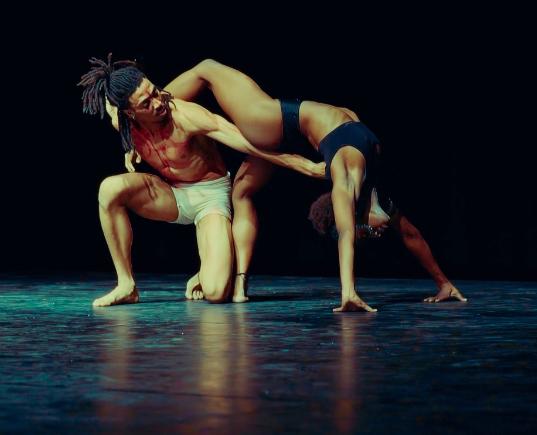
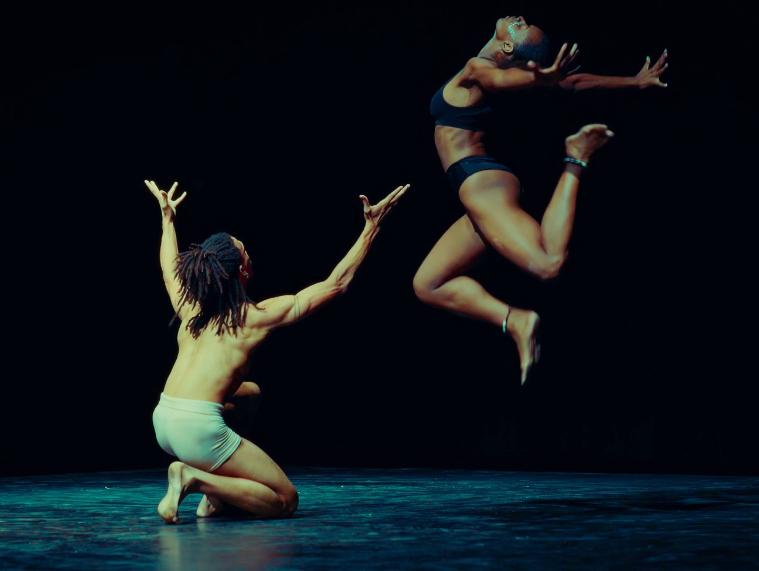
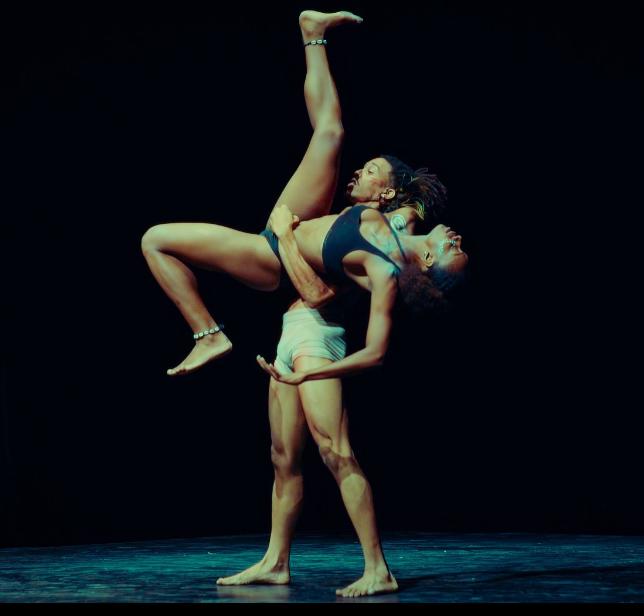
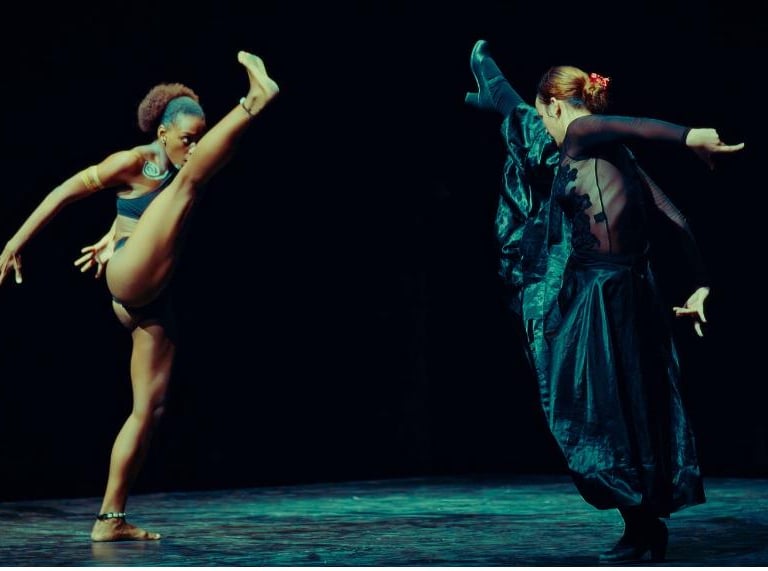
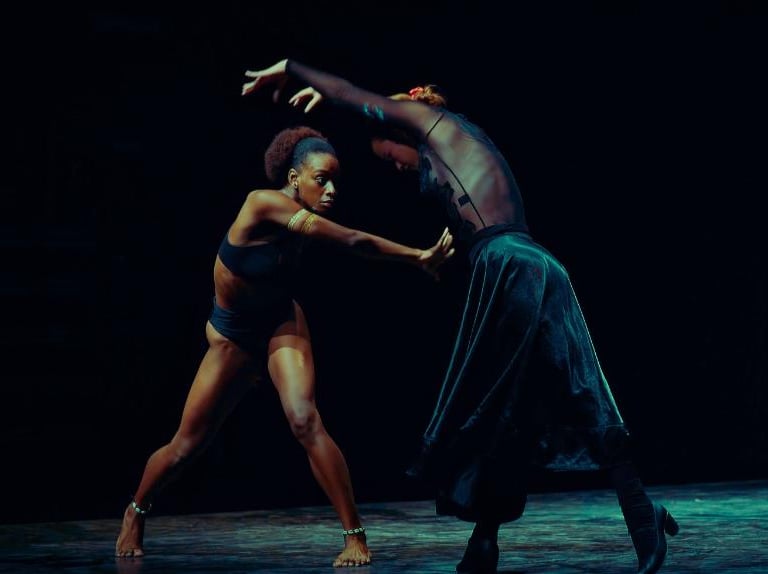
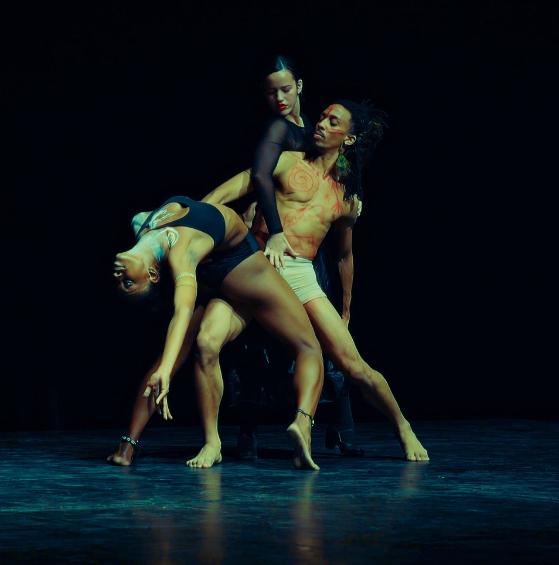
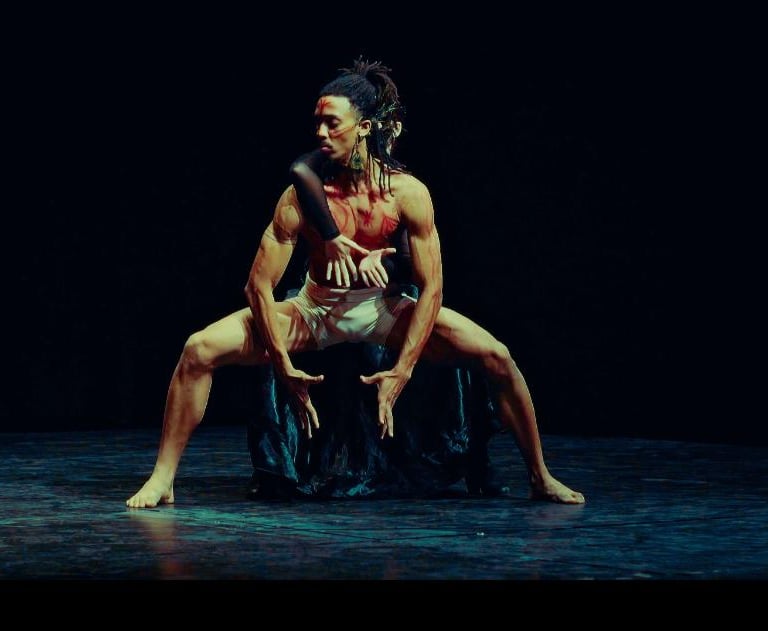
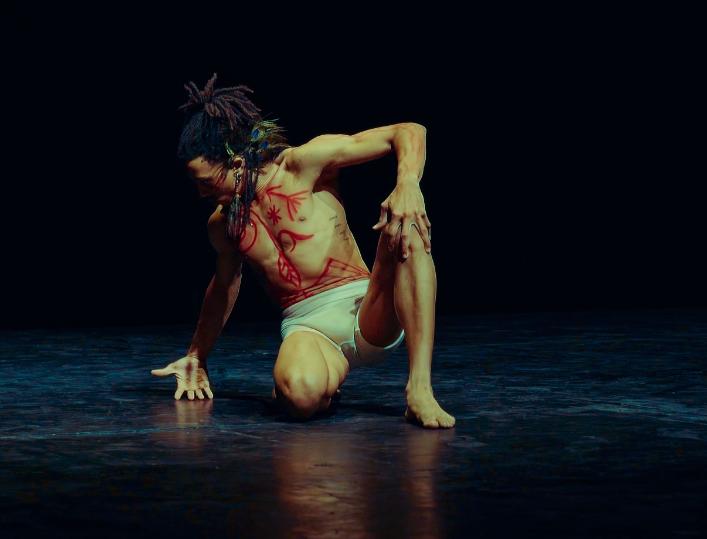
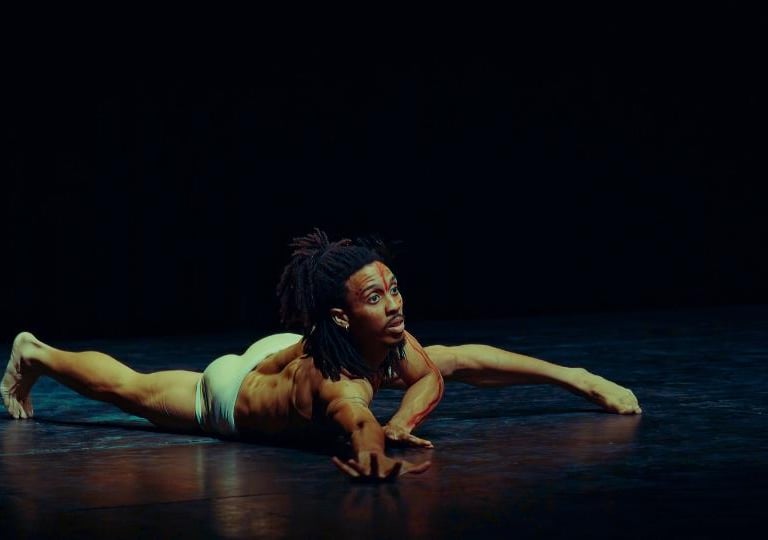
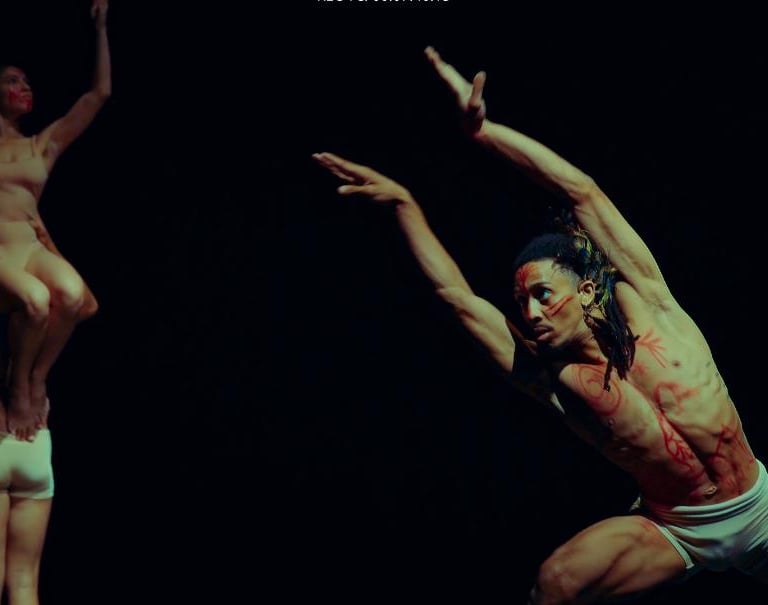
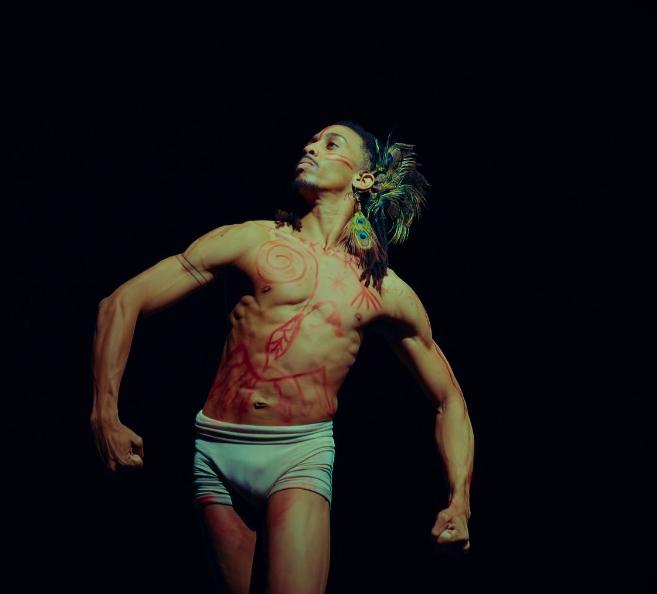
No somos, pero bailamos ( We Are Not but We Dance) explores the fragile boundary between visibility and invisibility, identity and expectation, representation and truth.
In a political and cultural context where speaking openly can imply risks, the body asserts itself as the last free territory: the space where it is still possible to construct and transform who we are.
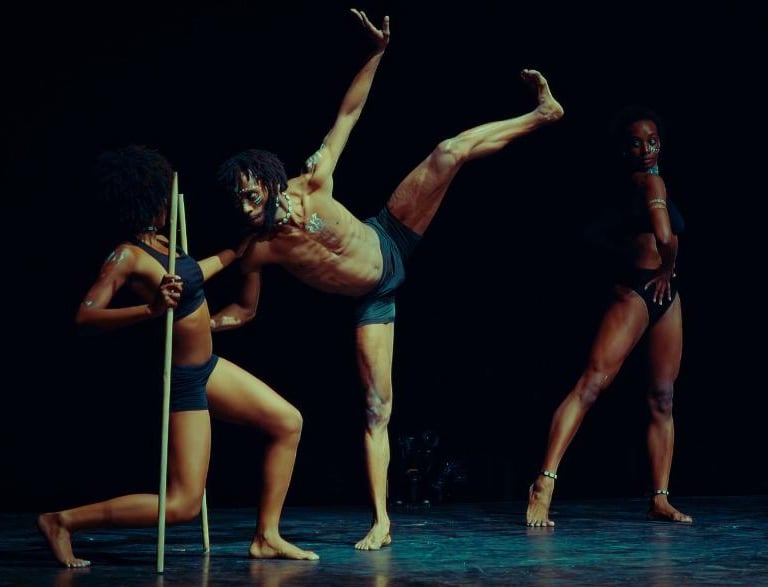
The structure of the work is organized into six volumes, each based on a specific movement language: ballet, Mozambique, cha-cha-cha, son, rumba, and pilón. None of these styles are presented in their expected form. The choreography deliberately works with emotional dissonance: the son appears hysterical, the pilón exhausted, and the rumba manifests from a contained sensuality.
The final scene is constructed like a living mural, where each performer exposes themselves from their emotional and aesthetic identity, without seeking harmony or conclusion. The work affirms a scenic democracy of difference, embodied in the bodies and sustained without the need for words.
Music:
Arturo O’Farrill.


Canto a la Sabana
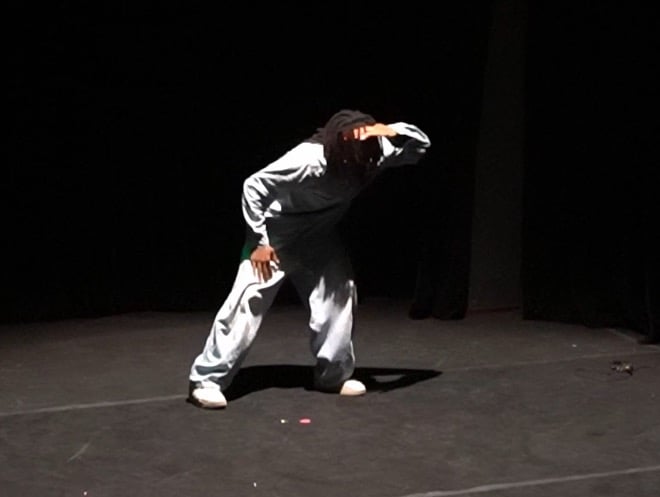
Canto a la Sabana (Song to the Savanna) is a choreographic piece built from the dialogue between body, rhythmic word, and contemporary sound landscape. The work relies on an original musical composition that articulates elements of rap and urban music, generating a fertile space for a physical exploration of identity, resistance, and collective memory.
The movement develops from a direct and earthly corporeality, where dance responds to the verbal and rhythmic pulse without illustrating it, establishing a relationship of tension and active listening between music and body. The piece asserts physical presence as both a political and poetic gesture.
Original Music:
Etien Brebaje
Innovation
Embodied essence of Cuban identity in arts.
Contact
Newsletter
liliet@lilietorozco.com
+5358115791
© 2025. All rights reserved.